
Four steps, in that order
Our goal is simple: to bring the highest standard of care to every person we work with. We use the same advanced examination methods and techniques trusted by world champions, combining strong clinical skills with accurate data. That gives you the best possible foundation to get better and stay better.
-
01
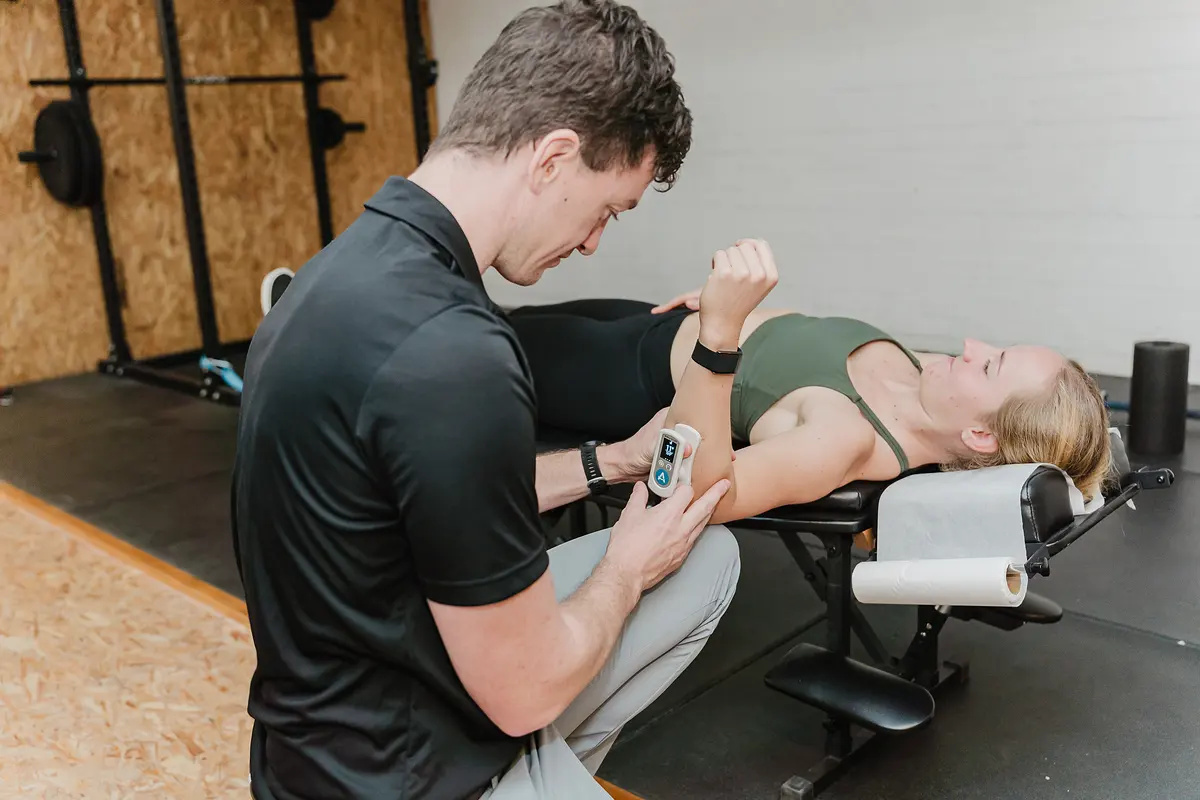
Examination and Testing
First we learn you. How you move, where it hurts, and what you can and cannot do. We follow that with evidence based testing protocols to build a clear picture of your current capacity and function. This objective data tells us what the problem is and, more importantly, how we measure your progress.
Hard data instead of guesswork.
-
02
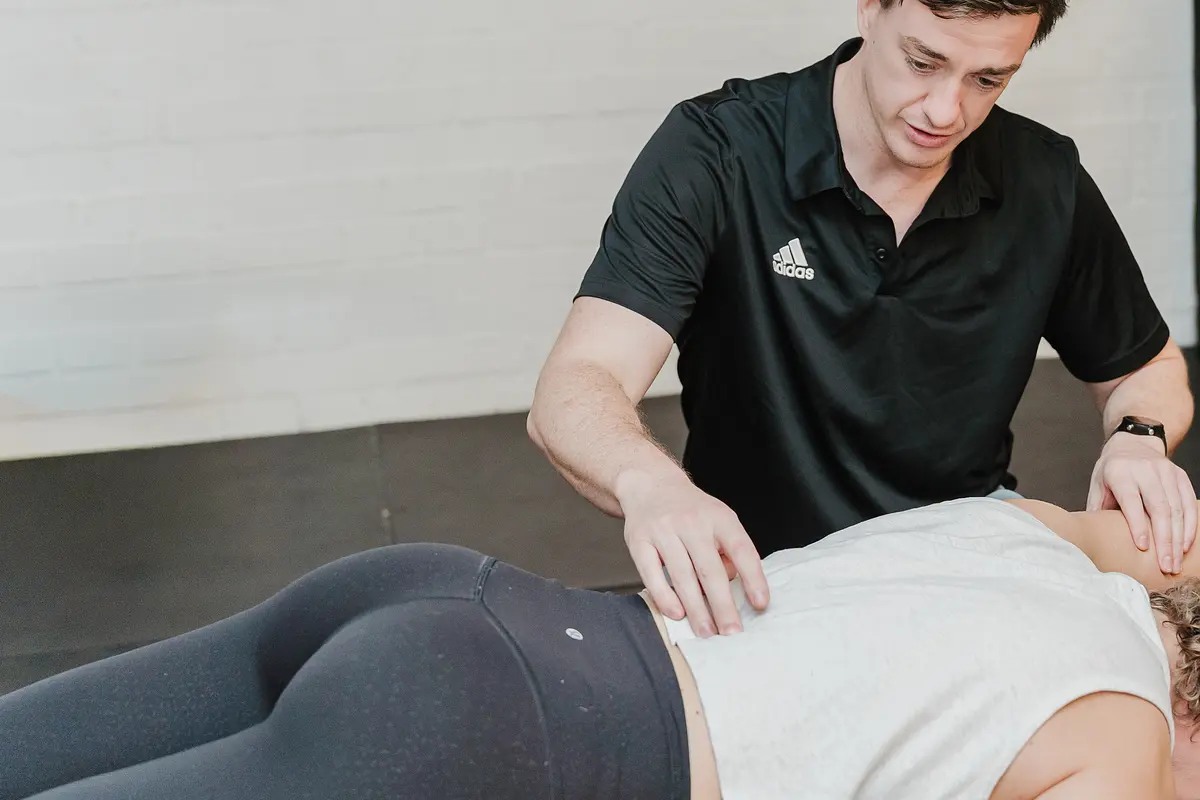
Mobility
This is where the majority of our manual therapy happens. It is a critical stage that often gets skipped in modern rehabilitation. The shoulder is controlled by muscle tension relationships, and imbalances in those relationships are very often the underlying reason shoulder pain develops. We address those imbalances with manual therapy and get the joints moving, so you can access full range of motion.
You cannot train a muscle properly if it cannot move properly.
-
03
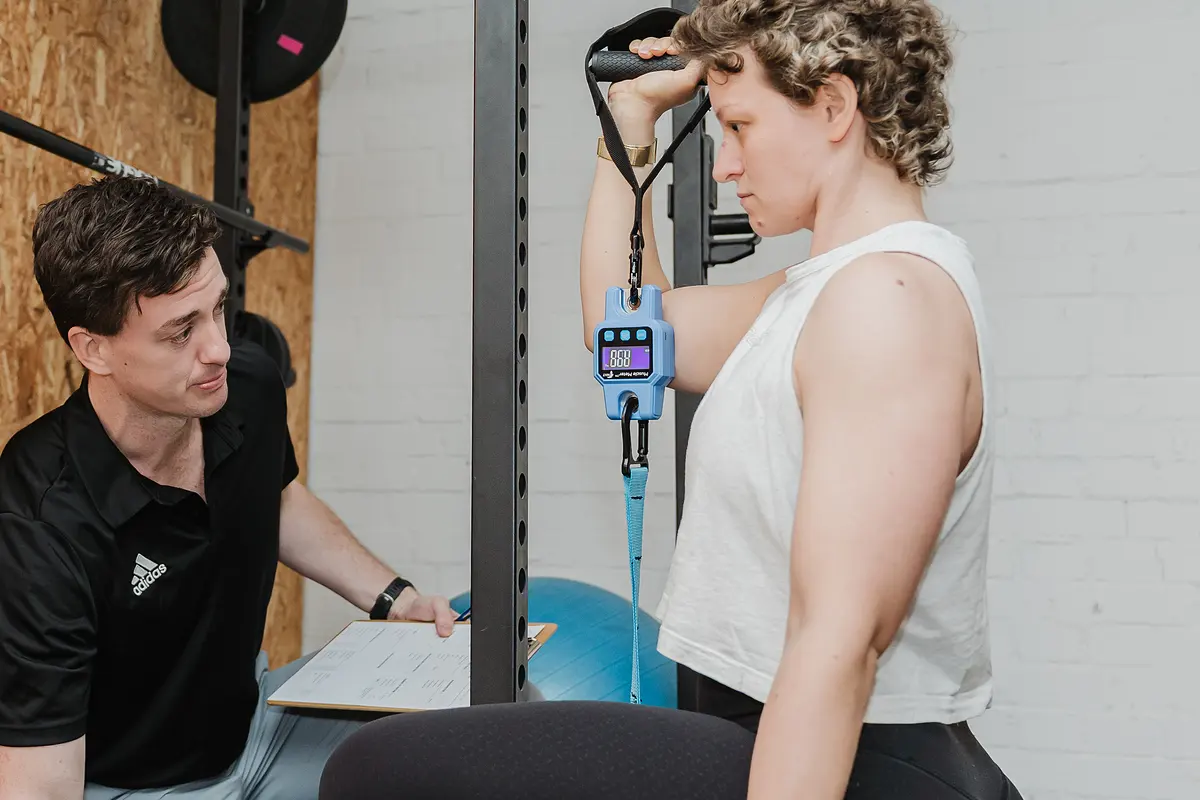
Control and Coordination
We consistently see problems in this area, from novice lifters to the very best in the world. Understanding how the glenohumeral joint should move alongside the surrounding joints lets us identify the movement problems that contribute to lingering shoulder pain. The pattern we see most often is someone who feels good for a month or two, starts training again, and finds the pain gradually comes back.
Moving well is not enough. You have to control the movement too.
-
04
Strength and Sport
The part patients enjoy most. This is where you start to feel what your shoulder can actually do. The goal is not simply to become pain free. It is to get you back to doing whatever you need to do, and doing it better than you could before. A heavy bar overhead, back to your sport, or a suitcase into the overhead locker: we progressively challenge the shoulder across a wide range of positions and demands.
The result is a shoulder that is not only stronger, but better prepared for whatever you ask of it.
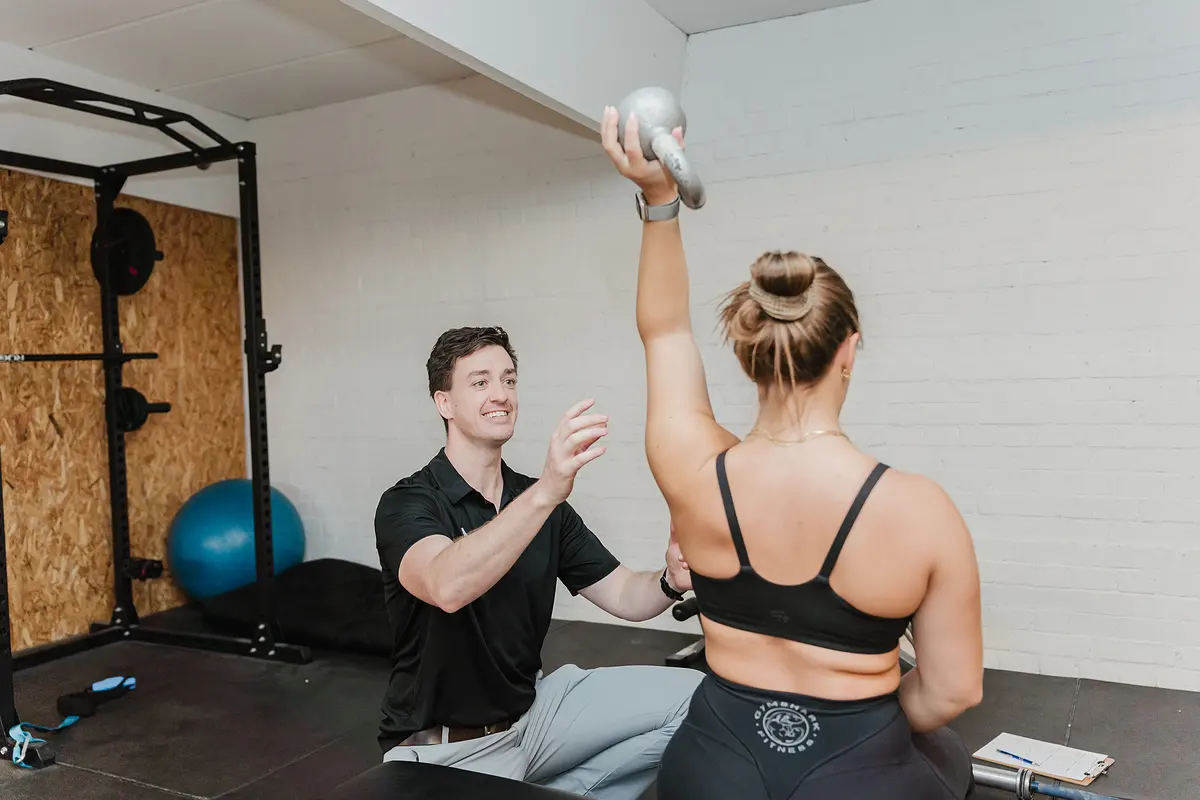
Whether it is competitive sport or everyday life, the method stays the same. Only the goal is individual. Lifting weights again, getting through the workday pain free, or simply sleeping without pain.
How treatment flows
- 1Examination and testing
The numbers decide where we start.
- 2Treatment
Initially mostly manual therapy.
- 3Rehab and strength
From the first rehab exercises through to compound lifting.
Have you decided you want help with your shoulder pain?
Fraser brings years of education and experience to giving you the best treatment possible, and looks forward to your appointment request.